
Understanding Bull and Bear Markets: A Guide for Investors
Your free trial has ended
Unlock lifetime access to every AI research tool for a one-time payment of $19.99.
Introduction to Market Cycles
If you have spent any time following the financial news, you have likely heard the terms "bull market" and "bear market." These animal-inspired metaphors are the bedrock of market terminology, describing the long-term trends that define the financial landscape. Whether you are looking at tech giants like Apple or industry leaders like Microsoft, understanding these cycles is essential for any investor.
At their core, these terms describe the general direction of stock prices. A bull market is characterized by optimism and rising prices, while a bear market is defined by pessimism and falling prices. Recognizing which environment you are in can help you manage your emotions and make more informed decisions.
What is a Bull Market?
A bull market occurs when stock market indexes are generally rising over a sustained period. While there is no universal definition, many experts point to a 20% increase from recent lows as a key indicator. Bull markets are typically fueled by a strong economy, high employment, and robust corporate earnings.
Characteristics of a Bull Market
- Investor Optimism: Confidence is high, and investors are willing to take on more risk.
- Economic Growth: GDP is often expanding, and consumer spending is strong.
- Longevity: Historically, bull markets tend to last significantly longer than bear markets, sometimes spanning several years.
During these periods, companies like NVIDIA may see their valuations climb as investors anticipate future growth and innovation. It is a time when the "rising tide lifts all boats," but it is also a time when investors must be careful not to get caught up in the hype and overpay for assets.
What is a Bear Market?
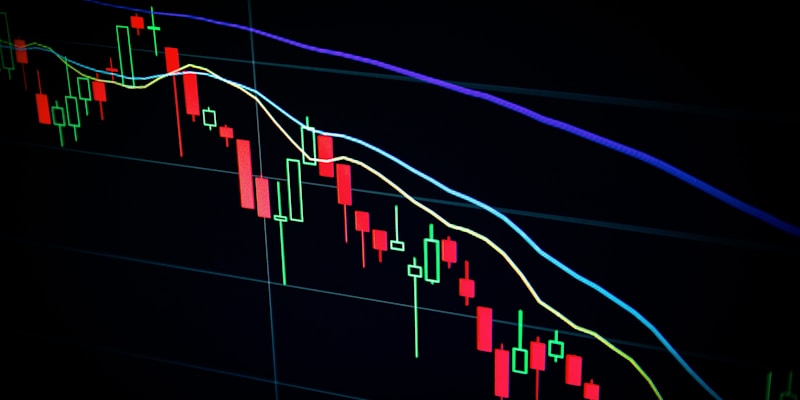
A bear market is the opposite of a bull market. It is typically defined as a decline of 20% or more in a major stock index from its recent highs. These periods are often associated with economic slowdowns, rising unemployment, or general market fear.
Why Do Bear Markets Happen?
Bear markets are often triggered by a shift in sentiment. When investors fear that a recession is looming or that corporate profits will decline, they begin to sell off their holdings. This creates a downward spiral as fear feeds on itself, leading to further price drops.
Key Differences at a Glance
| Feature | Bull Market | Bear Market | | :--- | :--- | :--- | | Price Trend | Prolonged rise | Prolonged fall | | Investor Sentiment | Optimistic | Fearful/Pessimistic | | Economic Health | Strong/Growing | Weak/Struggling | | Typical Duration | Longer (often years) | Shorter (often months) |
How to Navigate Market Cycles
No one can perfectly predict when a market will turn. However, savvy investors use these cycles to their advantage by maintaining a long-term perspective.
- Stay Disciplined: Avoid panic selling during a bear market. History shows that markets have historically recovered and reached new highs over the long term.
- Diversify Your Portfolio: A well-diversified portfolio can help cushion the blow during a downturn.
- Focus on Fundamentals: Regardless of whether the market is bullish or bearish, focus on the underlying health of the companies you own. Look for strong balance sheets and consistent earnings.
Summary and Key Takeaways
Understanding the difference between bull and bear markets is about recognizing that market volatility is a normal part of the economic cycle. Bull markets represent periods of growth and confidence, while bear markets represent periods of contraction and caution. By keeping a level head and focusing on your long-term financial goals, you can navigate both environments successfully.
Disclaimer: This content is for educational and informational purposes only and does not constitute financial, investment, or legal advice. Always conduct your own research or consult with a qualified financial advisor before making any investment decisions.
Stockinhood AI
AI-Generated Content
Disclaimer: This article is for informational and educational purposes only and does not constitute financial advice. All AI-generated content should be independently verified. Past performance does not guarantee future results. Consult a licensed financial advisor before making investment decisions.
Related Articles
Ready to dive deeper?
Explore AI-powered stock analysis and market research tools.
Explore Stockinhood